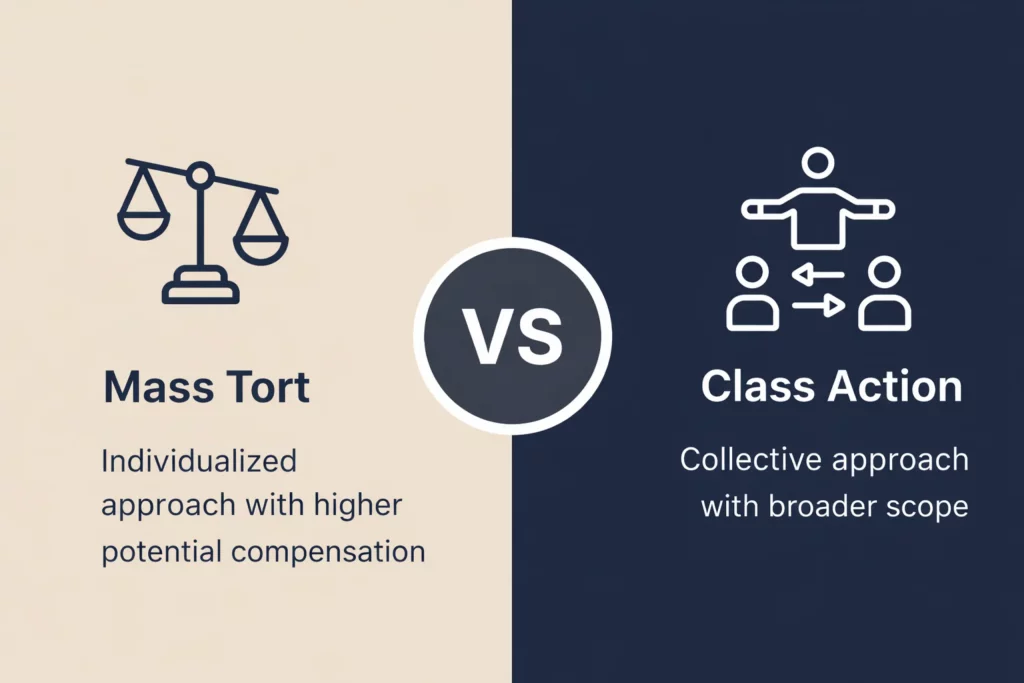
When families first start looking for answers after a harmful online experience, they often search for terms like Roblox lawsuit lawyer in Canada or “Roblox class action Canada.” That makes sense. Most people are more familiar with class actions than mass torts, and the two terms are often used interchangeably in everyday conversation. Legally, however, they are not the same.
For parents and guardians, that distinction matters. It can affect how claims are evaluated, how each family’s circumstances are reviewed, and what the legal process may look like. The current Roblox lawsuit site explains that most Roblox-related claims are being reviewed as mass torts, not traditional class actions.
Why Many Parents First Search for a Roblox Class Action in Canada
The phrase “class action” is familiar because it often appears in headlines involving large companies and widespread harm. When many people may have been affected by the same product, service, or platform, it is natural to assume the legal process would be one large group lawsuit.
That is why many families begin by searching for Roblox class action Canada before learning that the legal structure may be different. A class action can be appropriate in some cases, but it is not the only way courts and lawyers address widespread harm.
What a Mass Tort Means in a Roblox Lawsuit
A mass tort is different from a class action because each family’s claim is still reviewed on its own facts. Some background issues may overlap across similar claims, but the child’s experience, alleged harm, and individual impact remain central to the review.
That is especially important in online harm cases. The communications may be different. The alleged grooming, exploitation, harassment, or exposure to harmful content may be different. The platform reports, timelines, usernames, account details, and emotional impact may also vary significantly from one family to another.
For that reason, a mass tort structure can make more sense than trying to treat every family’s experience as identical. It allows a lawyer to look carefully at what happened to a specific child and whether the facts may support a claim.
Why This Difference Matters for Canadian Families
This is not just a technical legal issue. It has real consequences for parents who are trying to understand whether they may have a claim. If a case is handled as a mass tort, the legal review can focus more closely on the child’s individual experience, the alleged harm, and the effect on that child and family.
Public Safety Canada identifies online child sexual exploitation as including grooming and luring through applications and platforms. Cybertip.ca is Canada’s national tipline for reporting the online sexual exploitation of children. That broader Canadian context helps explain why more families are searching for a Roblox lawsuit lawyer and trying to understand what legal options may exist.
Who May Want to Speak With a Roblox Lawsuit Lawyer
Families may want to seek a legal review if a child or minor experienced grooming, exploitation, harassment, abuse, exposure to harmful or explicit content, or other serious harm connected to Roblox use in Canada. A review may also be appropriate where parents believe concerns were reported to the platform but not adequately addressed.
Parents do not need to have a the whole picture before reaching out. Many families only have partial information at first. A confidential review can help clarify whether the facts may support a legal claim and what next steps may be worth considering.
Safe First Steps Before a Legal Review
Before thinking about a lawsuit, families should focus on safety and support. The Canadian Centre for Child Protection’s guide Online Child Sexual Victimization: Picking up the Pieces recommends consulting local law enforcement and/or Cybertip.ca where a child’s relationship or communication with another person appears exploitative or sexual in nature. It also recommends interrupting communication with the person of concern after speaking with the child.
If there is immediate danger, call 911. If the concern involves online sexual exploitation, parents can contact local law enforcement and/or Cybertip.ca. Cybertip.ca explains that reports may be reviewed by child protection analysts and, where appropriate, sent to law enforcement or child welfare agencies.
Is It Too Late to Ask Questions?
Many families only realize there may be a legal issue after a disclosure, a behavioural change, or the discovery of concerning online communication. The current Roblox lawsuit site says potential claims are still being reviewed. That means parents who are only now learning about the issue may still want to ask questions.
In many situations, what matters most is not when a parent first heard about the lawsuit. What matters is what happened, what information may still exist, whether the child is safe, and whether the facts support further investigation.
Speak With a Roblox Lawsuit Lawyer in Canada
If your family is looking for answers, you do not have to sort through this alone. Speaking with a Roblox lawsuit lawyer can help you understand whether your situation may fit within the broader Canadian mass tort investigation and what options may be available.
The first step is not to build a case on your own. It is to protect your child, report urgent or exploitative concerns through the proper channels, and ask for legal guidance when you are ready.
Frequently Asked Questions
Is the Roblox lawsuit in Canada a class action?
Not usually. The current Roblox lawsuit site says most Roblox-related claims are being reviewed as mass torts rather than traditional class actions.
Why would a Roblox lawsuit be handled as a mass tort?
Because the facts, harm, and impact can differ significantly from one family to another. A mass tort allows each claim to be reviewed more individually.
Where should parents report immediate safety concerns?
If a child is in immediate danger, call 911. For online sexual exploitation concerns, families can contact local law enforcement and/or report to Cybertip.ca.
Sources Reviewed for This Revision
Included for internal review. These links can be removed before publishing if the blog is being posted without a source note section.
- Canadian Centre for Child Protection: Online Child Sexual Victimization: Picking up the Pieces
- Cybertip.ca: Report and Taking Action resources
- Public Safety Canada: About Online Child Sexual Exploitation
- Justice Laws Website: Criminal Code section 163.1
- Canadian Centre for Child Protection: Project Arachnid